
Quantum Sensors for Everyone
Affordable, advanced quantum sensors enabling the next generation of medical, navigation, and human-machine applications.
Building the sensors that make quantum practical.
FemtoSenseLabs is an early-stage R&D company developing affordable, advanced quantum sensors for applications that were previously out of reach for the technology.
Our sensors use atomic defects in a crystal lattice, operating at room temperature. Without the bulky cryogenic cooling many quantum sensing methods require.
Our work spans medical imaging, GPS-free navigation, and human-machine interfacing. Domains where a step-change in sensing precision unlocks entirely new categories of products and capabilities.
Learn More About Our Technology →Three domains. One breakthrough technology.





Navigation Without GPS
Quantum magnetometers offer a path to navigation in places where GPS is unavailable or unreliable, including underground, underwater, and in contested airspace.
By reading tiny variations in the Earth's magnetic field and matching them against known maps, magnetic navigation provides a position reference that doesn't depend on GPS satellites.
Mapping the Brain's Faintest Signals
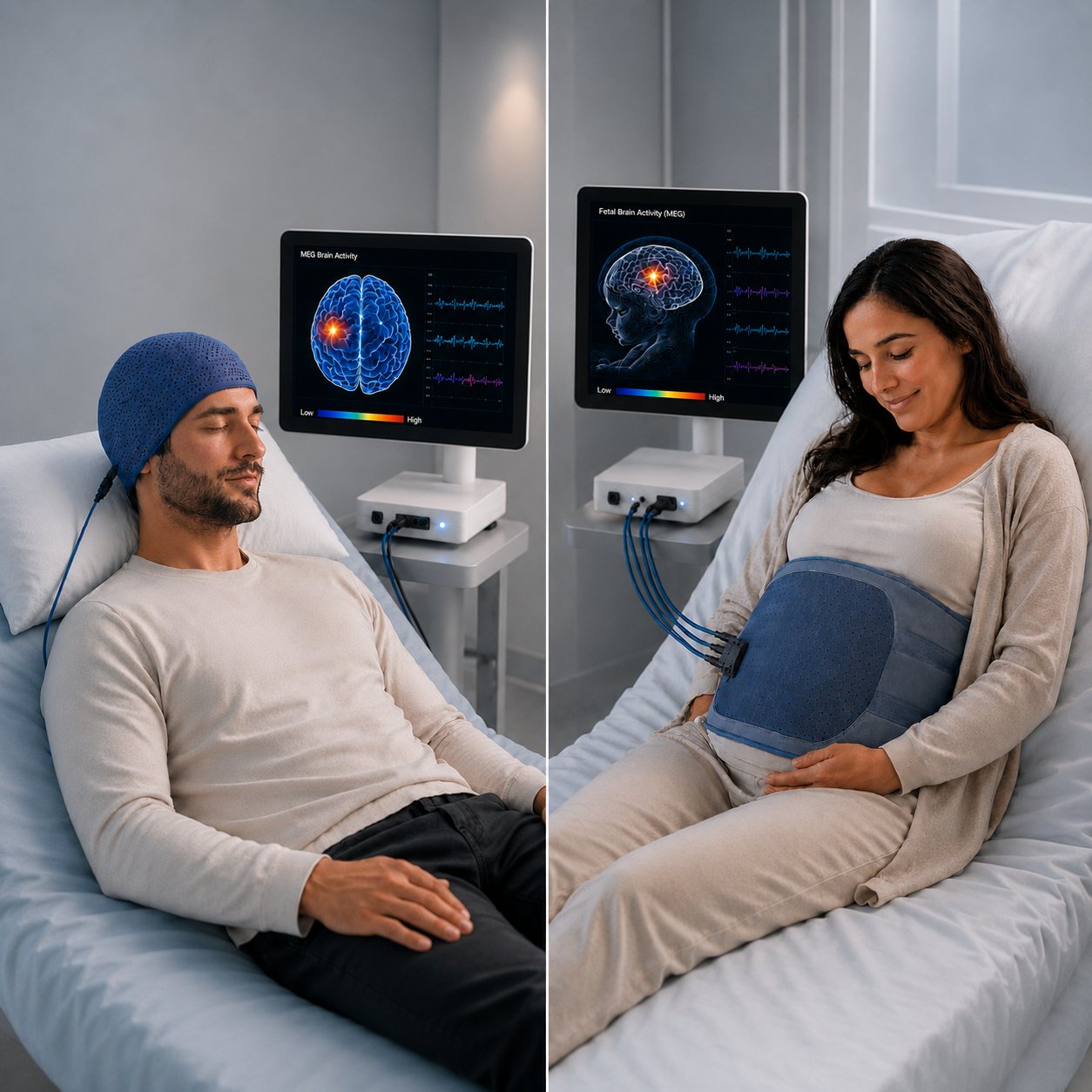
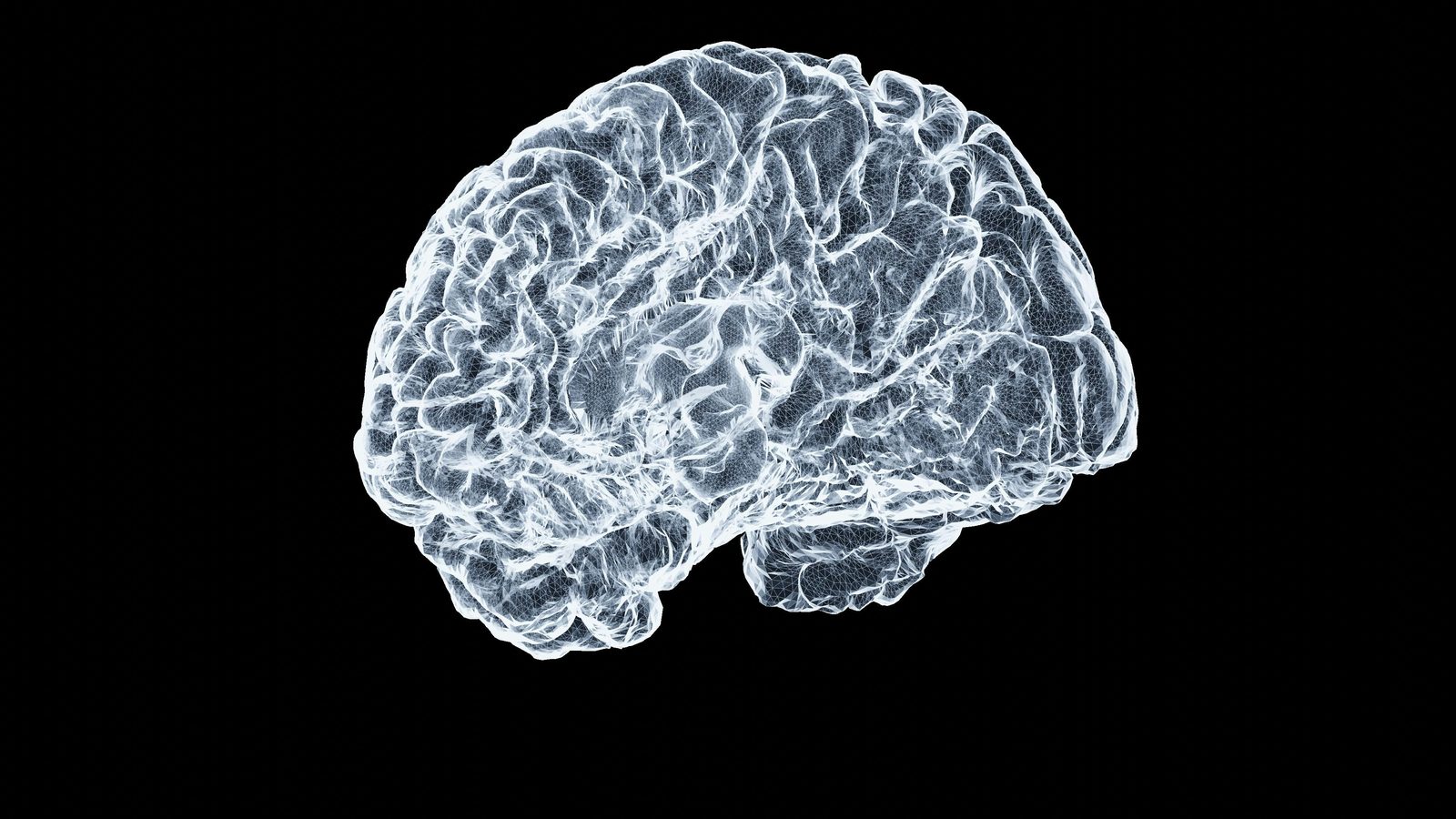
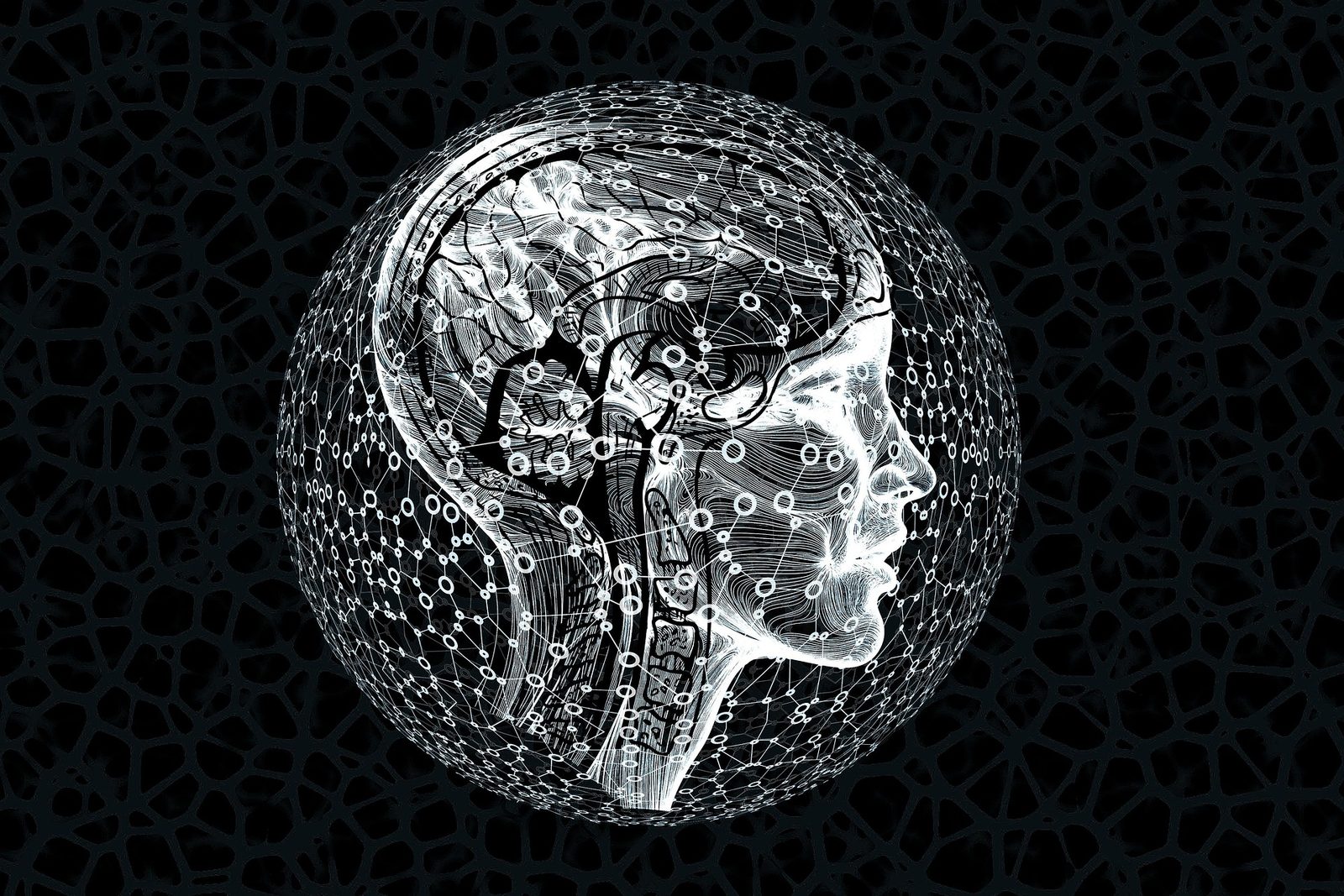
The brain's magnetic fields are billions of times weaker than the Earth's, making them among the hardest signals to measure cleanly.
Quantum sensing offers the sensitivity needed to detect these faint signals for mapping brain activity, with the potential to reduce the bulky infrastructure that current systems require.
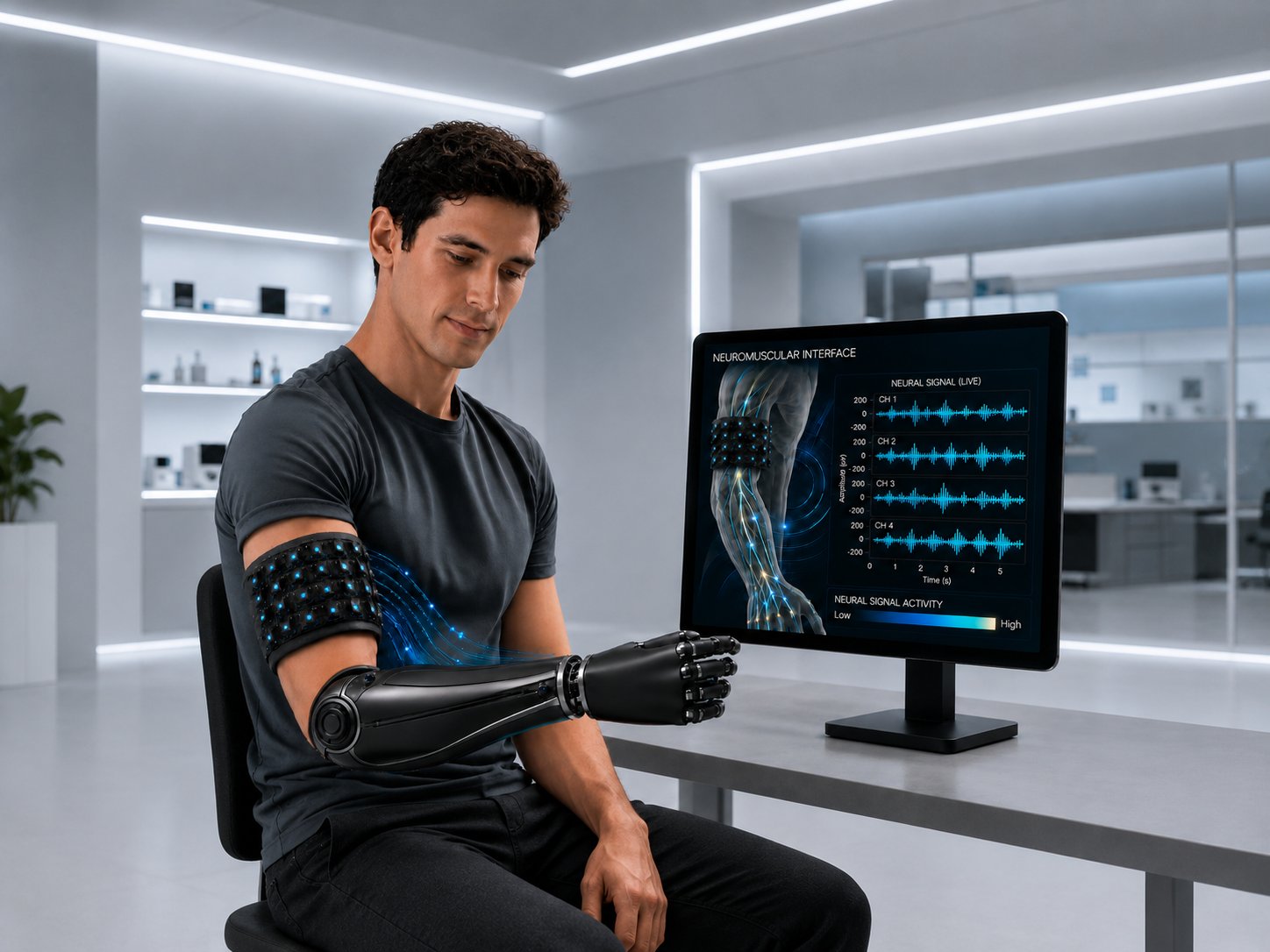
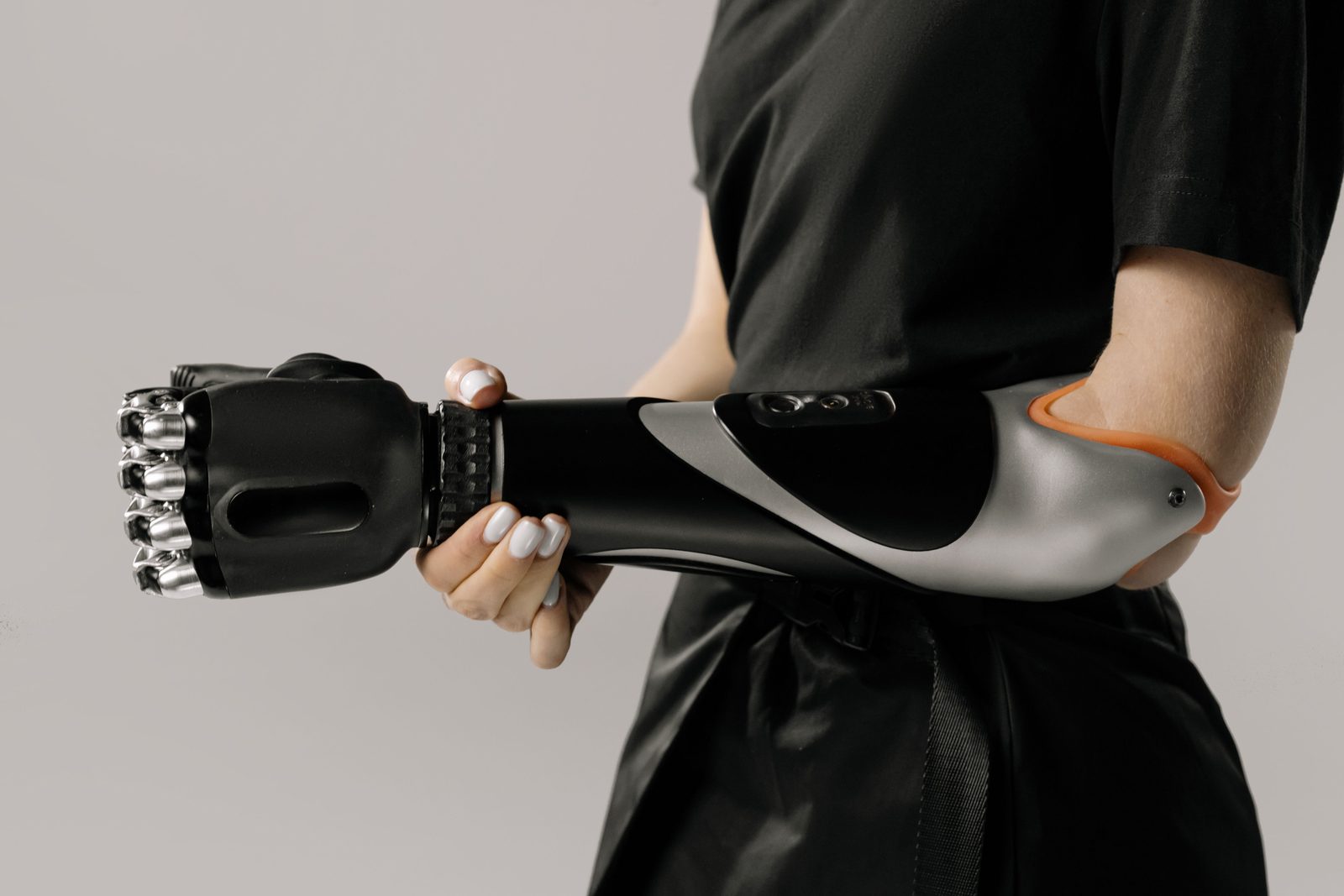


More Natural Control of Assistive Devices
Muscles and nerves give off small biomagnetic and bioelectric signals as the body moves. Quantum sensing capable of reading these signals could give people more precise, intuitive control of prosthetic limbs and assistive devices, helping them move more naturally in everyday life.